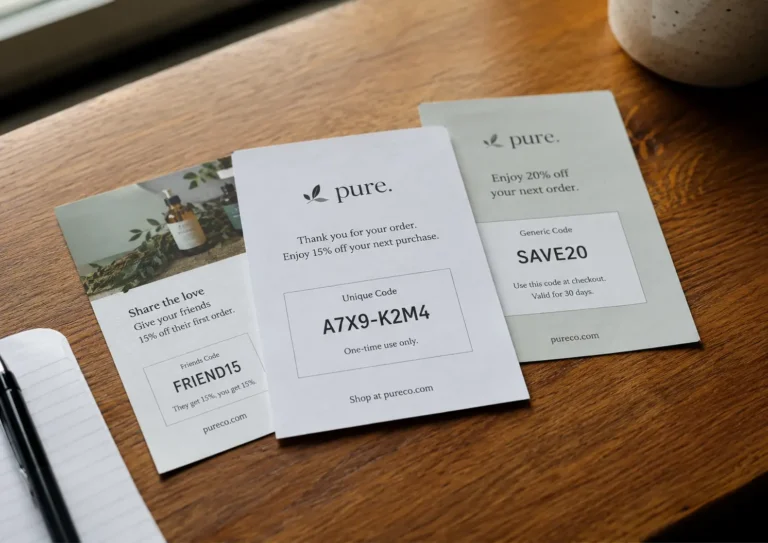

Voucher Marketing: Why Vouchers Have a Lasting Impact
Vouchers carry a sense of value and potential. They represent a “saved benefit” that customers often keep for the perfect moment rather than using immediately. This behavior is rooted in psychology and is known as the reserve effect.
The reserve effect describes our tendency to hold onto resources for future use. An unused voucher feels more valuable than one that has already been redeemed because it remains available for any future need. People often wait for the purchase where the discount will create the greatest benefit.
Another factor is regret avoidance. Redeeming a voucher for a small purchase may later feel like a missed opportunity. By keeping it for a future occasion, customers postpone that decision and avoid potential regret.
Finally, vouchers carry emotional value. They represent a future reward and create a sense of anticipation. As long as they remain unredeemed, they generate a positive feeling of upcoming savings while keeping the brand alive in the customer’s mind.
This effect explains why vouchers are perceived positively, even before they are used. They keep brands relevant until the right redemption moment arrives. Interestingly, this principle also applies to other physical inserts included in parcels, so tangible touchpoints tend to stay in memory longer than fleeting digital impressions.
This effect is especially relevant in a market environment where price promotions are moving back into focus. Recent shopper insights show that consumers continue to pay close attention to discounts and price advantages, while purchase decisions are also shaped by timing, convenience and small rewards. At the same time, expectations around promotions are changing: classic discounts remain important, but cashback, free gifts and added extras are also becoming more relevant. For voucher marketing, this means that the discount alone is not always enough. What matters is whether the voucher appears in the right context, is easy to understand and feels like a useful purchase trigger.
Strategic Voucher Marketing: 3 Factors That Drive Success
The way customers keep vouchers shows that they can do more than offer a discount, they are a strategic brand asset. To make voucher marketing truly effective, three factors matter most.
- Design and presentation
The voucher should reflect the brand and resonate with the target audience. Whether minimalist, modern, or premium, design and materials influence whether a voucher is kept or discarded. - Clarity of message and benefit
Customers should immediately understand the value being offered. A simple, well-defined benefit makes it easier for them to see what they’re saving for. Especially as consumers are paying closer attention to price advantages, the benefit should be visible at first glance. At the same time, the voucher should not feel generic: a specific occasion, a relevant target audience and a simple redemption process can turn a discount into a real purchase trigger. - A well-timed redemption period
The redemption window should be realistic. If it’s too short, it creates pressure; if it’s too long, the voucher risks being forgotten. A smartly timed deadline serves as a subtle reminder, keeping the brand top of mind until the moment feels right to redeem.

Distributing Vouchers Strategically: The Power of Targeting
A well-designed voucher only reaches its full potential when it’s placed in the right hands. That’s why segmentation and precise targeting are key to successful voucher marketing.
For new customers:
Vouchers can lower the barrier to a first purchase and encourage trial. Services like ParcelDealz make this process smarter by inserting vouchers directly into parcels that reach customers within a brand’s ideal target audience.
For existing customers:
Vouchers can serve as a token of appreciation, such as a birthday reward or thank-you offer. These gestures strengthen emotional bonds and increase loyalty.
For inactive customers:
A voucher with a clear incentive and a limited redemption period can reactivate dormant customers by creating a sense of urgency.
By distributing vouchers strategically across customer segments, brands ensure that each one fulfills its dual purpose as both an incentive and a reminder, ultimately increasing the overall effectiveness and profitability of every campaign.
Conclusion
Vouchers are more than paper or percentages. They serve as a tangible touchpoint between brand and customer, creating trust and positive emotions. Especially in a market environment where consumers are price-conscious but still open to spontaneous purchase moments and small rewards, vouchers can build an important bridge between attention and conversion. Brands that understand how to use vouchers beyond the initial contact can turn them into a powerful strategic tool: one that drives attention, loyalty and long-term brand impact.
If you want your vouchers not only to be seen but to be kept, let’s talk. Together, we’ll design a smart voucher strategy that fosters genuine connections with your audience and delivers measurable results.